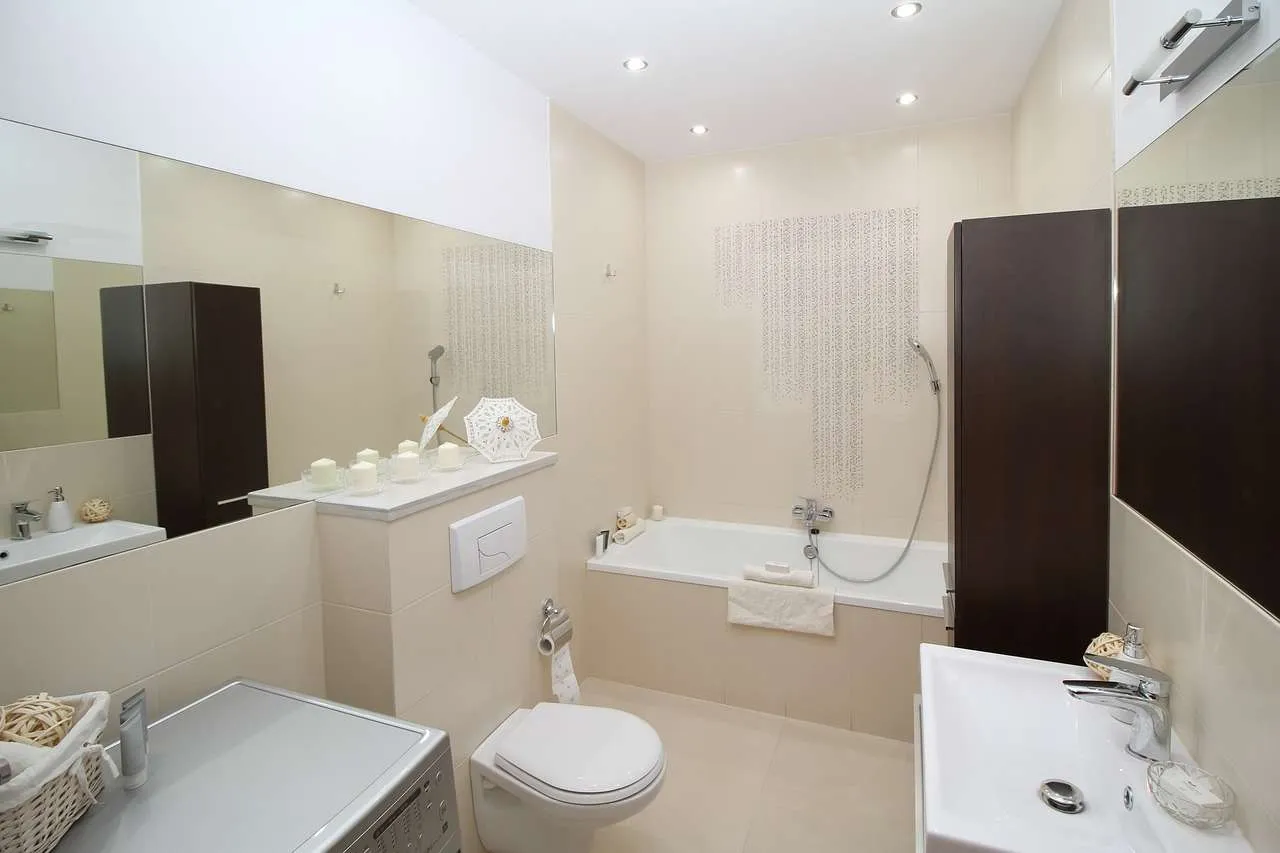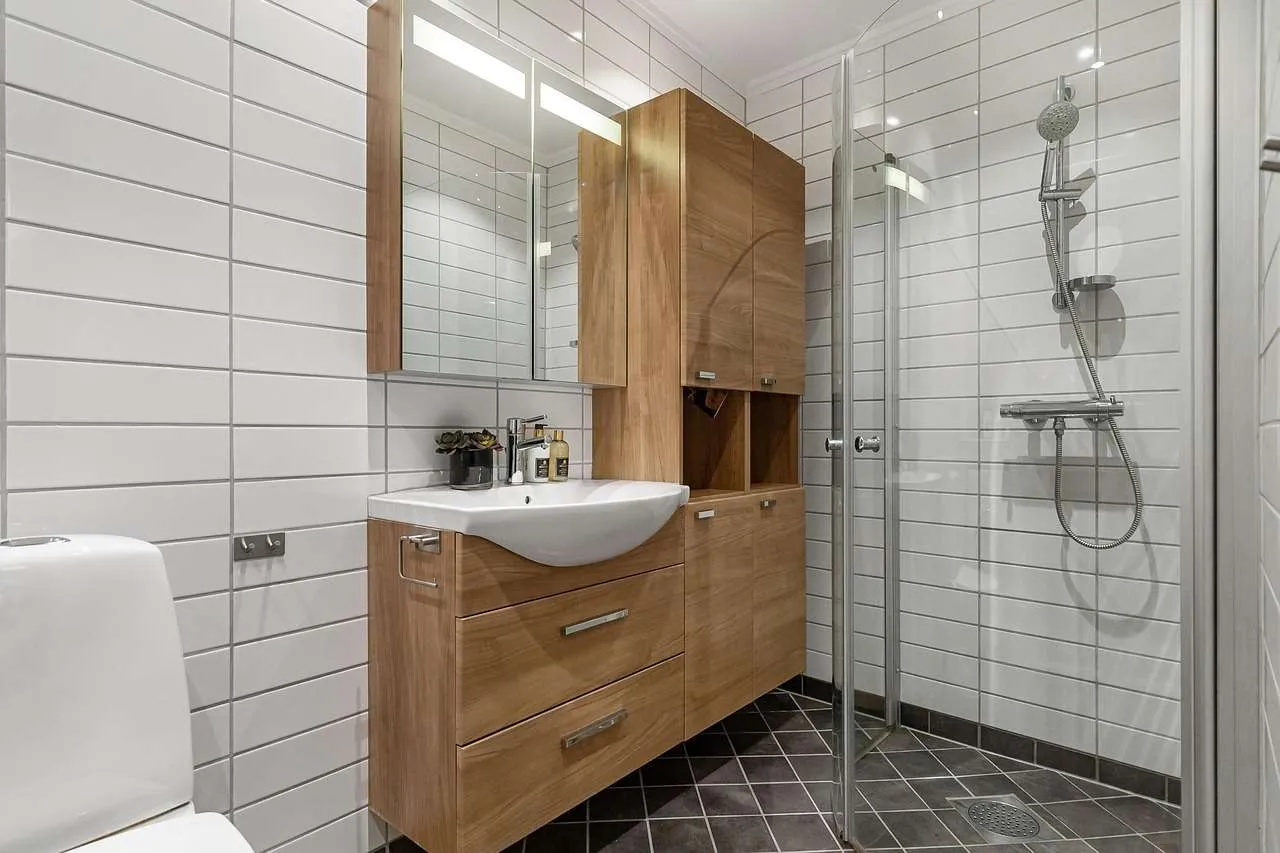
Designing a small bathroom that feels larger, more functional, and inviting requires a thoughtful mix of layout, finishes, and smart storage. This guide on small bathroom ideas covers proven strategies used by designers to maximize space without sacrificing style. From compact layouts to high-contrast accents, you can create a bathroom that works hard and looks great.
Smart Layouts for Small Bathrooms
When space is at a premium, every square inch counts. Start with a plan that prioritizes traffic flow and accessibility. A shower-first layout with a frameless glass enclosure visually opens the room, while swapping a tub for a shower gains floor area. Wall mounted fixtures keep vertical lines clean and the floor clear, making the room feel larger. If possible, install a pocket door or a barn door to save door swing space and maintain comfortable circulation.
- Shower-first layouts with frameless doors to maximize openness
- Wall-mounted vanities and toilets to create a floating effect
- Pocket doors or barn doors to avoid swing clearance issues
Color, Lighting, and Mirrors
Light hues and reflective surfaces create a sense of airiness. White, off-white, or cool neutrals work well with generous mirror coverage. Large-format tiles reduce grout lines and visual seams. Mirrors should be placed to maximize light reflection; consider a full-wall mirror or multiple mirrors positioned opposite windows for daylight bounce. Lighting should be layered: diffuse ceiling light plus task lighting by mirrors, with options for dimming in the evening.
Fixtures and Storage Solutions
Smart storage keeps countertops clear. Choose a vanity with deep drawers, a recessed medicine cabinet, and internal organizers. Add open or closed storage above the toilet and on unused wall space. Consider a wall-hung toilet and vanity to keep underfoot space open. For especially tight bathrooms, a corner-slung sink or a compact pedestal with a slim cabinet can conserve room without sacrificing function.
- Deep drawers and pull-out organizers in vanities
- Recessed medicine cabinets for hidden storage
- Open shelving and back-of-door organizers to maximize vertical space
Materials, Finishes, and Maintenance
Durable, water-resistant materials withstand humidity and cleaning. Porcelain or ceramic tiles in light colors are practical; use matte or satin finishes to minimize glare, and select large-format tiles to reduce grout lines. Non-slip flooring is essential in wet areas. Use sealed stone accents sparingly to avoid maintenance headaches. Choose finishes that respond well to cleaning agents and resist soap scum.
Smart Solutions and Budgeting
Smart storage ideas include recessed niches in showers, pull-out organizers in vanities, and magnetic strips inside cabinets. Plan improvements with a phased approach: finish cosmetic updates first, then upgrade fixtures, and finally install additional storage if needed. Create a budget with line items for plumbing, carpentry, and materials, and allow for a small contingency. If major plumbing changes are needed, consult a licensed pro early to avoid costly revisions later.
Comparison of Popular Layout Options
| Option | Pros | Cons | Ideal For |
|---|---|---|---|
| Walk-in shower with glass enclosure | Feels open; easy to clean; modern | Requires adequate drainage and space | Shower-first redesigns, accessible bathrooms |
| Shower-tub combo | All-in-one solution; budget-friendly | Smaller shower area; less accessible | Limited space, guest bathrooms |
| Wall-hung vanity and toilet | Creates floating look; eases cleaning | More plumbing work; higher cost | Ultra-compact rooms |
| Pocket door | No swing clearance issues; maximizes opening | Installation complexity | Very small layouts |
Decorating tips: use accents in small doses to avoid clutter. Floating shelves, recessed niches in showers, and integrated lighting add depth without crowding the space.
Consider accessibility: lever handles, non-slip flooring, and a shower bench can future-proof a small bathroom while keeping it stylish and safe.
Summary: Small bathroom ideas thrive on prioritizing layout, lighting, and storage. A frameless shower, wall-hung fixtures, light colors, and large mirrors visually expand the space, while built-in storage and efficient materials keep maintenance low. A well-planned budget and phased updates help ensure a durable, beautiful result that fits your lifestyle.